Toughest challenges and biggest opportunities of our time

We live in a transformative time in many ways. On one hand lately we have been facing more problems than we had for decades. Wars, pandemic, racism, sexism and the enormous challenge of global warming and other environmental issues.
We are supporting any initiatives, that will send the world in a better direction regarding those issues. And we strongly believe that we as a species are able to do this, if we will keep innovating, exploring, expanding and evolving.
In tough times it is important to also look ahead and to be inspired. Chances are, that we are on the verge of the invention of a significantly faster mean of transportation. It may also be environmentally sustainable, if we decide to have that focus.
At the same time we are also on the brink of becoming a multiplanetary species. A historical moment as significant as the Europeans discovery of America 5 centuries ago.
Importance of Copenhagen Airport
Imagine you walking the streets of Copenhagen in the summer of 1903. Just behind you the beautiful town hall is being built. The town hall is still in use today.
You meet a friend, who asks you to invest in Copenhagen Airport. There is, however, one "minor" problem. No one had ever flown an airplane, so you turn down the offer with a big smile. Thinking about building an airport before people can actually fly seemed too visionary.
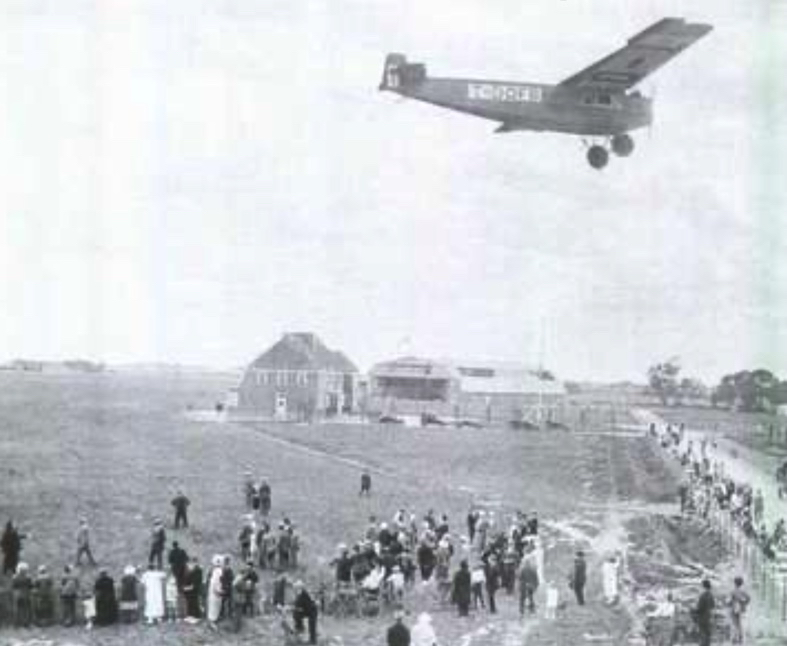
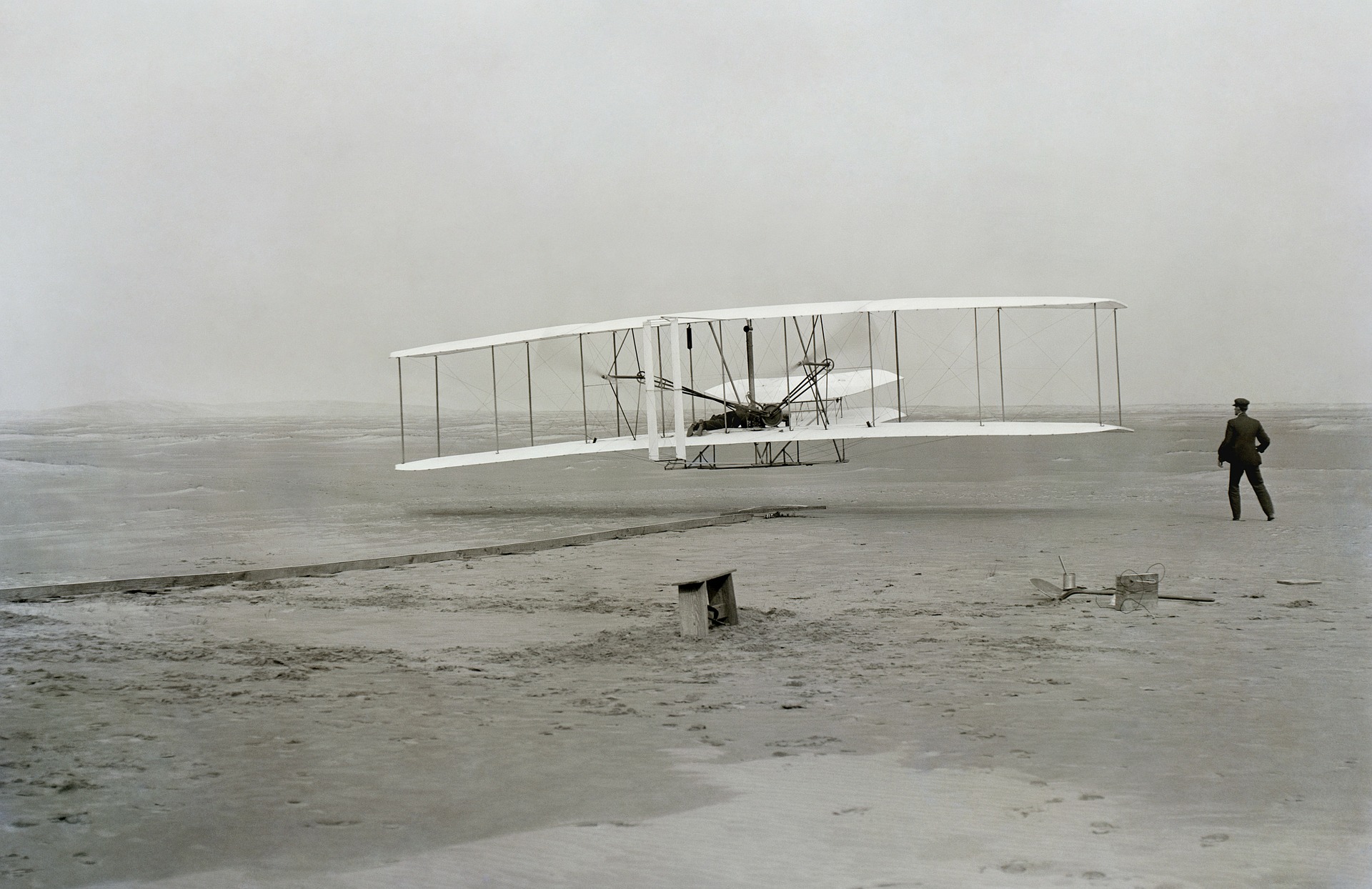
Later that year on December 17th in Kitty Hawk in North Carolina, USA, the Wright brothers took flight for the first time in history. And less than 22 years later Copenhagen Airport opened.
In just 22 years aviation technology had been developed to become so reliable, that people would trust it to be operated over and close to cities and even pay significant amounts for flying in one.
The airport made Copenhagen northern Europe's aviation center for decades and brought people, business, technology, jobs and optimism to the city. A century later the airport is still an important airport in northern Europe. It is considered one of the most modern and reliable airports.
History repeating itself?
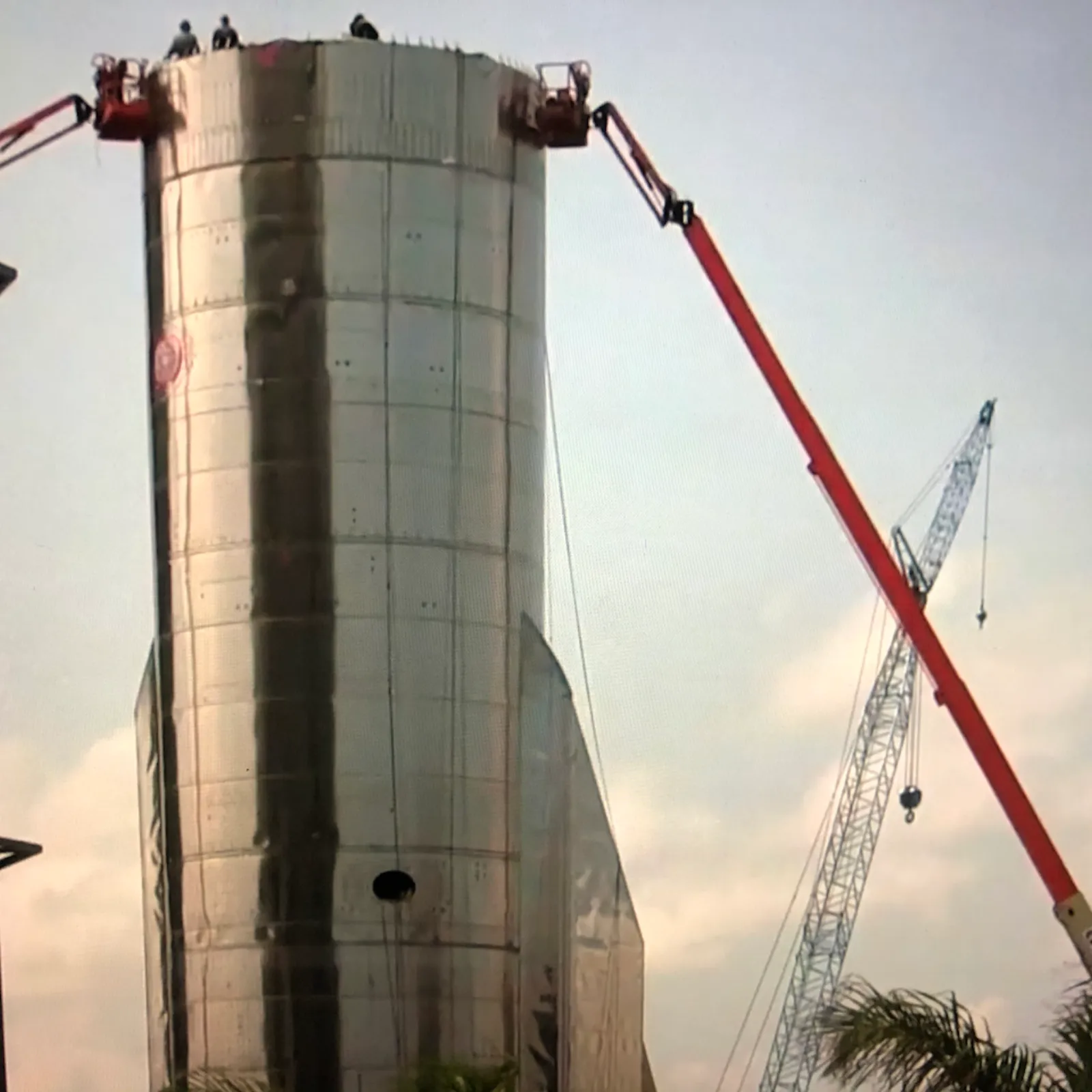
On December 22nd 2015 the american company SpaceX made the first ever vertical landing of an orbital rocket booster. The booster landed in United States after successfully sending satellites into orbit.
The potential of this achievement is significant. Until this point space vehicles would have mostly been for single time use or required hugely expensive recovery and repairs before reuse.
The equivalent in aviation would be to discard the airplane after each flight or having to recover it from the ocean and repair it for weeks. Obviously this would never have led to commercial airline.
SpaceX is not alone on the path to develop reusable space vehicles. Companies like Blue Origin can also land rockets and reuse them.
But SpaceX is not only aiming for the moon and Mars. They have also serious plans for flying between major cities through space with rockets.
Links
SpaceX landing after sending satellites into orbit in 2015.
Earth-to-earth space travel
Travelling to destinations on earth through space seems counter intuitive at first. However, when you look into the technology behind the idea, it may actually be viable.
The immediate and obvious advantage is speed. In space you can travel with up to 27000 km pr. hour. This gives a travel time of less than one hour to anywhere on earth including ascent and descent.
The rocket takes a passenger compartment into space. The rocket then returns to its home space port where it lands upright. The passenger compartment flies across the planet at apx. 24000 km pr. hour, descends and lands vertically.
The easiest way to understand this is to watch SpaceX's 2 minute concept video here. SpaceX estimates that the passenger compartment can hold 500-1000 passengers.
Environmental and other concerns
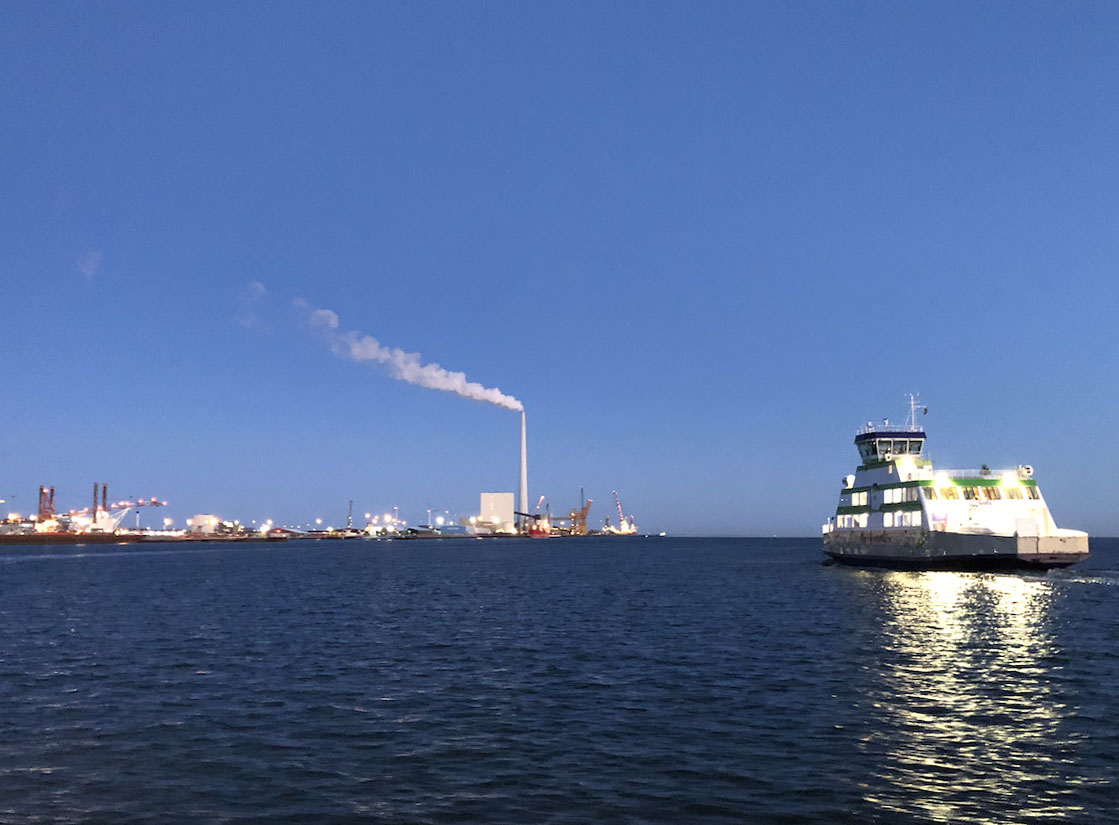
Flying into space in a rocket requires a significant amount of energy. So if the energy for space travel comes from fossil fuels, it will not be environmentally sustainable.
Conventional aviation is a major environmental issue because it is based on fossil fuels. However, fuel for space rockets can be based on substances that are not polluting the surrounding area and as the world is currently transforming into renewable energy, it is clear, that commercial space travels will use other sources of energy than conventional aviation.
Another environmental concern is noise. This is why space ports are planned to be located off shore.
We are committed to solving environmental issues rather than introducing new long term problems for future generations. One reason why we believe that Europe should participate actively in developing space travel and space technologies is to influence on decisions made on its environmental approaches.
Some visualisations on this site are AI-generated concept illustrations of planned infrastructure and are labelled accordingly, in line with EU AI Act Article 50.
© 2020–2026 EuroSpaceport. Danish Company Registration CVR: DK-41765739